
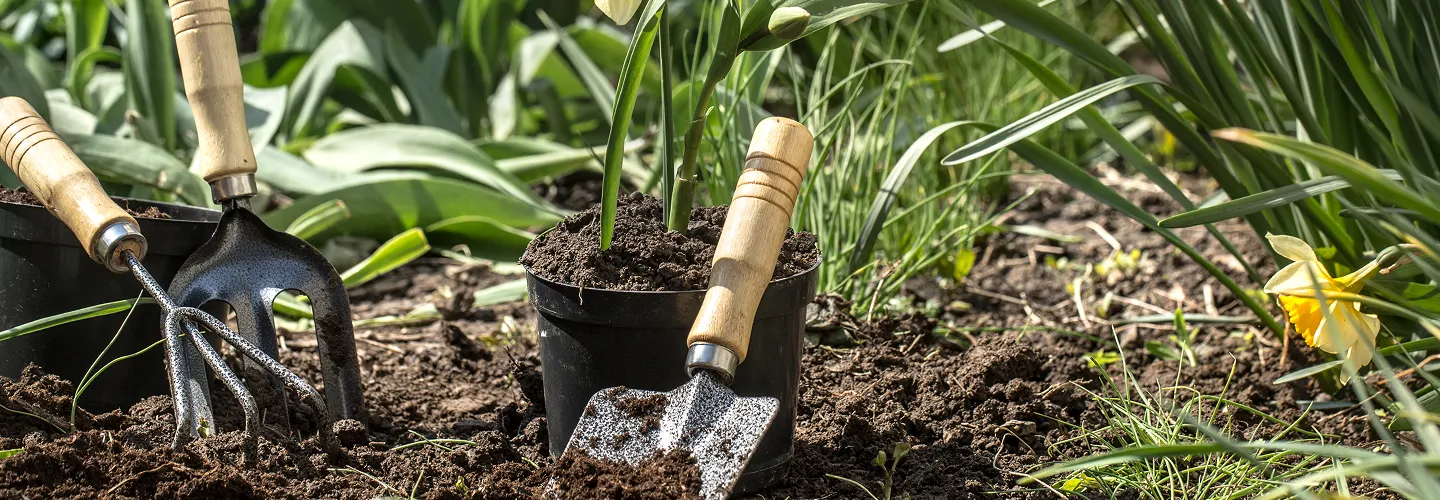
Immokalee Lawn Leveling Services
Choose our expert lawn leveling services for a healthier, more beautiful yard—enjoy improved drainage, safer play areas, and a flawless landscape that boosts your home's curb appeal.
Get a Free QuoteOur Immokalee Landscaping & Yard Care Services
When to Schedule Lawn Leveling in Immokalee, Florida – Seasonal Guide
In Immokalee, Florida, the best time to schedule lawn leveling is typically during the late spring or early fall. These seasons offer moderate temperatures and consistent rainfall, which help the soil settle evenly and promote healthy grass regrowth. The region’s subtropical climate means that summers can be hot and humid, while winters are generally mild with minimal frost risk. Timing your lawn leveling project to avoid the peak summer heat and the rare winter cold snaps ensures optimal results for properties in neighborhoods like Arrowhead Reserve or near Lake Trafford.
Local environmental factors play a significant role in determining the ideal window for lawn leveling. For example, areas with dense shade from mature oaks or palms, such as those found near Immokalee Community Park, may require special consideration due to slower soil drying times. Additionally, sandy soils common in the region drain quickly but can be prone to uneven settling, while clay-heavy patches may retain moisture longer. Homeowners should also be aware of municipal guidelines and seasonal water restrictions, which can be found on the official town website, to ensure compliance when planning their project.
Local Factors to Consider for Lawn Leveling in Immokalee
- Tree density and shade coverage (affects soil moisture and grass recovery)
- Terrain slope and drainage patterns
- Seasonal precipitation and drought risk
- Soil type (sandy vs. clay-heavy areas)
- Proximity to landmarks like Lake Trafford or Immokalee Community Park
- Municipal restrictions on water usage or landscaping activities
Benefits of Lawn Leveling in Immokalee
Enhanced Curb Appeal
Improved Lawn Health
Smoother Mowing Experience
Better Drainage Solutions
Increased Property Value
Reduced Pest Problems
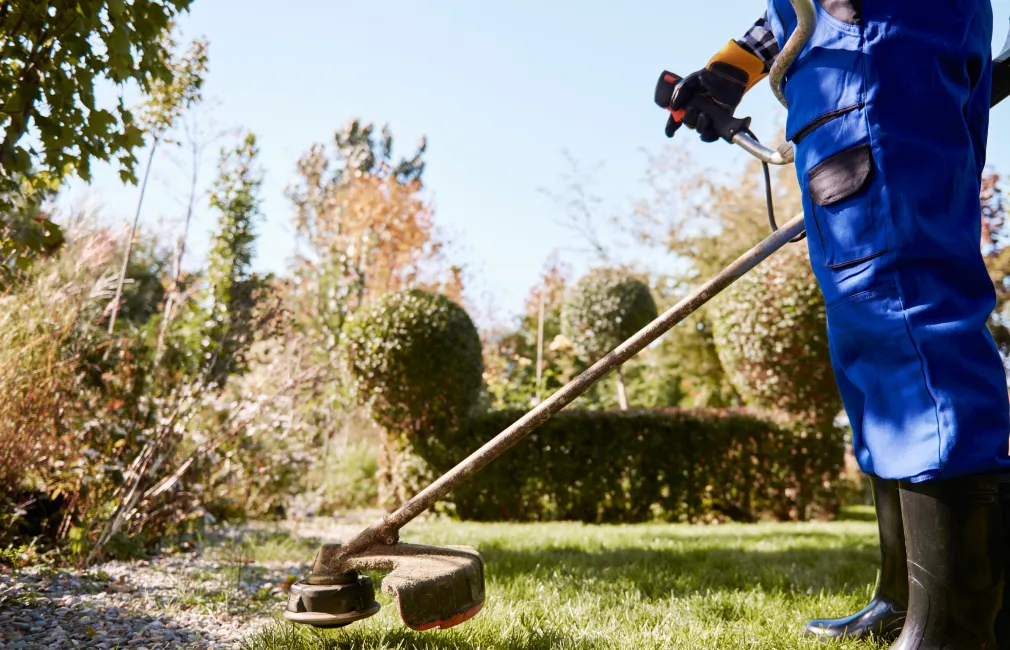
Immokalee Lawn Leveling Types

Topdressing Lawn Leveling
-
Sand Lawn Leveling
-
Soil Lawn Leveling
-
Compost Lawn Leveling
-
Laser Grading
-
Manual Lawn Leveling
-
Power Rake Leveling
Our Lawn Leveling Process
Site Evaluation
Soil Preparation
Leveling Application
Compacting and Grading
Final Inspection
Why Choose Immokalee Landscape Services
-
Immokalee Homeowners Trust Us
-
Expert Lawn Maintenance
-
Reliable Irrigation Solutions
-
Competitive Pricing
-
Professional Team
-
Satisfaction Guarantee
-
Personalized Service
Coordinating Lawn Leveling Projects Through Immokalee's County Engineering and Stormwater Offices
Immokalee is an unincorporated community within Collier County, which means lawn leveling projects that affect grade, drainage flow, or swale function fall under county-level oversight rather than a municipal government. Property owners planning to correct uneven turf surfaces should coordinate with Collier County's Transportation Engineering division when grading work may alter the direction or volume of stormwater runoff near roadside swales, drainage ditches, or retention areas. Before beginning any leveling project that involves importing fill material or regrading near a right-of-way, residents should verify whether the scope triggers a site-work review through the county's permitting office.
- Confirm whether the proposed grade change affects any county-maintained swale or drainage easement before work begins
- Contact Collier County's engineering staff if leveling involves areas adjacent to roadways, canal banks, or stormwater conveyance structures
- Coordinate with Immokalee Water & Sewer District if underground utility lines may be affected by regrading activity
Collier County Transportation Engineering
Official Website: Collier County Transportation Engineering
Collier County Building Permits & Construction
Official Website: Collier County Building Permits & Construction
How Immokalee's Inland Soils and Subtropical Climate Shape Lawn Leveling Needs
Immokalee sits in USDA Hardiness Zone 10b within South Florida's inland subtropical corridor, where conditions differ markedly from the coastal communities to the west. The area receives approximately 50–55 inches of rainfall annually, with the vast majority concentrated between June and October. This wet-season intensity accelerates soil settlement, particularly on properties built on sandy or fill-based substrates common throughout the region. According to the USDA Web Soil Survey, soils in the Immokalee area are predominantly fine sands with limited organic content and rapid permeability, which contributes to uneven settling over time.
- Sandy substrate movement: Fine sand particles shift readily under heavy rain, creating low spots that pond water against foundations, walkways, and irrigation heads
- High water table: Immokalee's seasonally high water table can saturate root zones in depressed areas, promoting fungal stress in St. Augustinegrass and bahiagrass turf
- Intense summer heat: Surface temperatures on exposed, uneven turf can exceed ambient air temperature significantly, causing scalping damage on high spots where mower blades cut too low
- Settlement in newer subdivisions: Properties built on imported fill material are especially prone to differential settling within the first several years after construction
Navigating Collier County's Stormwater and Grading Regulations for Lawn Leveling
Lawn leveling in Immokalee must comply with Collier County's land development and stormwater management codes. Any regrading that alters the established drainage pattern on a residential lot—particularly where water flows toward county swales, retention ponds, or canal systems—may require review by county staff. The Florida DEP NPDES Stormwater Program establishes the broader regulatory framework under which Collier County operates its Municipal Separate Storm Sewer System (MS4) permit, and property owners share responsibility for preventing sediment and fill material from entering stormwater conveyances.
- Loose fill, topsoil, or sand stockpiled on-site during leveling must be stabilized or covered to prevent washoff into swales, ditches, or storm inlets
- Redirecting surface water onto adjacent properties or into canal rights-of-way without authorization may constitute a code violation under county drainage standards
- Properties adjacent to agricultural drainage canals—common throughout Immokalee—should verify setback and buffer requirements before regrading near canal banks
- Contractors performing grading work that disturbs one acre or more must obtain coverage under the state's NPDES Construction General Permit, which requires a Stormwater Pollution Prevention Plan
Collier County Pollution Control
Official Website: Collier County Pollution Control
Residents can also reference UF/IFAS guidance on protecting Florida's water resources for best management practices related to soil disturbance near waterways.
Timing and Methods for Lawn Leveling in Immokalee's Wet and Dry Seasons
Professional lawn leveling in Immokalee requires careful scheduling around the region's pronounced wet and dry seasons. The optimal window for most leveling work falls between late February and mid-May, when rainfall is infrequent enough to allow fill material to settle and compact without being washed out, and warm-season turf species are entering active growth capable of recovering from the disturbance.
- Topdressing method: For minor depressions of one inch or less, a sand-based topdressing mix is spread across the low area and worked into the existing turf canopy with a drag mat or landscaping rake; this allows the grass to grow through the fill layer without smothering the crown
- Cut-and-fill correction: For more significant grade issues, sections of sod may need to be lifted, the subgrade built up with clean fill sand, and the sod relaid and irrigated immediately to prevent desiccation in Immokalee's intense heat
- Drainage-directed grading: All leveling work should maintain positive drainage away from structures and toward designated swale lines or retention areas, typically at a minimum slope of roughly one to two percent
- Irrigation should be adjusted during the recovery period to support turf reestablishment without oversaturating newly placed fill; guidance from UF/IFAS Lawn Maintenance and Care provides regionally appropriate watering principles for recovering turf
Avoid scheduling major leveling projects during peak wet season (July through September), when daily thunderstorms can erode freshly placed material and delay turf recovery.
What Neighborhoods Do We Serve Throughout Immokalee, FL?
- Main Street / Downtown Immokalee: Older residential lots in this area often exhibit decades of soil settlement around mature trees and aging infrastructure, making grade correction essential for proper surface drainage toward roadside swales.
- Farmworker Village: Properties in this community may feature compacted soils from heavy foot traffic and limited original grading, creating persistent low spots that pond water during the wet season.
- Timber Ridge: This newer subdivision area is susceptible to differential settlement common in fill-based construction, and leveling work should account for stormwater management features integrated into the development.
- Eden Park: Residential lots here frequently border agricultural drainage canals, requiring careful attention to maintaining buffer zones and directing corrected grades away from canal banks.
- Sanders Pines: Mature landscaping and established turf in this neighborhood can mask underlying grade problems that contribute to root-zone saturation and localized turf decline.
- Immokalee Regional Airport Area: Properties near this corridor may encounter compacted subsoils and utility easements that require coordination before regrading work can proceed.