
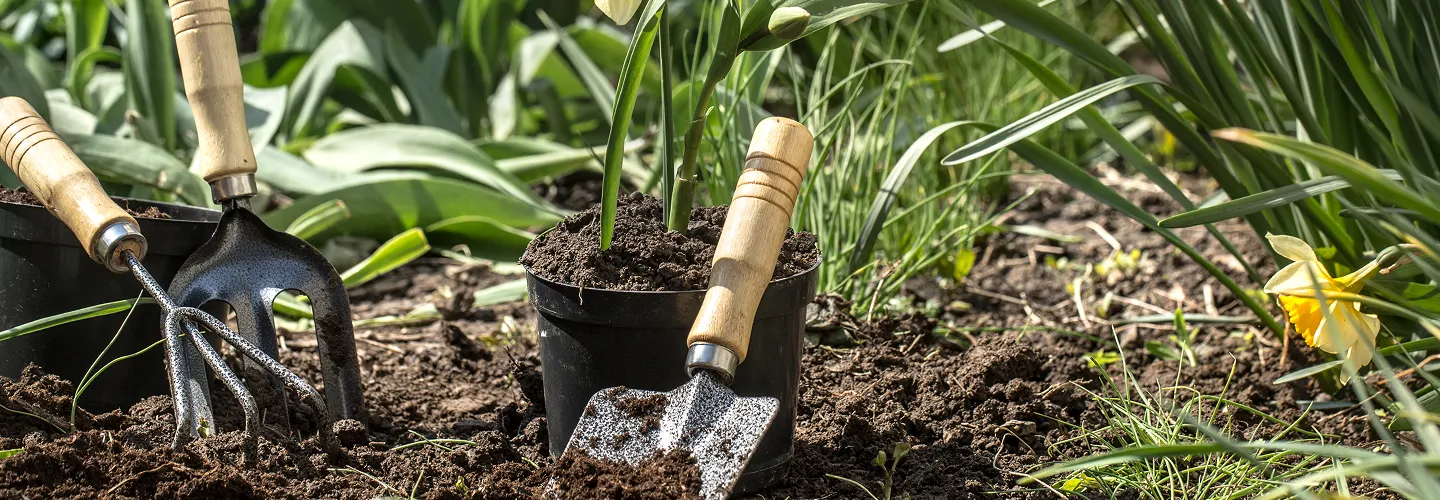
Immokalee Flower Planting Services
Choose our flower planting services for vibrant, expertly arranged blooms that thrive in Immokalee’s unique climate—bringing lasting beauty and curb appeal to your home or business.
Get a Free QuoteOur Immokalee Landscaping & Yard Care Services
When to Schedule Flower Planting in Immokalee, Florida – Seasonal Guide
Flower planting in Immokalee, Florida, is best scheduled with careful attention to our region’s unique subtropical climate. The optimal planting windows typically fall between late October and early April, when cooler temperatures and lower humidity levels help new blooms establish strong roots. Local neighborhoods like Arrowhead Reserve and Lake Trafford Estates benefit from these milder months, as the risk of heat stress and drought is minimized.
Immokalee’s sandy soils, variable shade from mature oaks, and proximity to wetlands near Lake Trafford all influence planting success. It’s important to consider the last expected frost date—usually in early February—and the onset of the rainy season in late spring. Homeowners should also be aware of municipal watering restrictions and local environmental guidelines, which can be found on the Town of Sudbury’s website.
Local Factors to Consider for Flower Planting in Immokalee
- Tree density and available sunlight in neighborhoods like Jubilee Pointe
- Soil drainage and composition, especially in areas near Immokalee Regional Airport
- Seasonal precipitation patterns and drought risk
- Municipal watering schedules and restrictions
- Shade coverage from mature landscaping
- Terrain variations, such as low-lying or flood-prone lots
Benefits of Flower Planting in Immokalee
Enhanced Curb Appeal
Increased Property Value
Expert Local Plant Selection
Low-Maintenance Landscaping Solutions
Seasonal Color Variety
Eco-Friendly Planting Practices
Immokalee Flower Planting Types

Annual Flower Beds
-
Perennial Flower Gardens
-
Native Wildflower Plantings
-
Seasonal Color Displays
-
Pollinator-Friendly Gardens
-
Shade-Loving Flower Arrangements
-
Drought-Tolerant Flower Beds
Our Flower Planting Process
Site Evaluation
Soil Preparation
Flower Selection
Planting
Watering and Mulching
Why Choose Immokalee Landscape Services
-
Immokalee Homeowners Trust Us
-
Expert Lawn Maintenance
-
Reliable Irrigation Solutions
-
Competitive Pricing
-
Professional Team
-
Satisfaction Guarantee
-
Personalized Service
Coordinating Flower Planting Projects with Immokalee's County and Community Agencies
Immokalee is an unincorporated community within Collier County, which means flower planting projects on residential and commercial properties fall under county-level oversight rather than a standalone municipal government. Property owners and managers planning flower installations along rights-of-way, within redevelopment zones, or adjacent to public infrastructure should coordinate with the appropriate county departments before beginning work. The Immokalee Community Redevelopment Agency supports neighborhood beautification and revitalization efforts that often include ornamental planting components, and residents within the CRA boundary should verify whether their project aligns with any active improvement initiatives.
- Confirm whether planting areas fall within county rights-of-way, drainage easements, or utility corridors before installing flower beds
- Coordinate with Collier County Parks and Recreation when planting near public greenspaces, medians, or trail corridors
- Contact the Immokalee Water and Sewer District to identify underground utility lines before any soil excavation or bed preparation
Immokalee Community Redevelopment Agency
1320 N 15th Street, Suite 2, Immokalee, FL 34142
Official Website: Immokalee Community Redevelopment Agency
Collier County Parks & Recreation
15000 Livingston Road, Naples, FL 34109
Official Website: Collier County Parks & Recreation
How Immokalee's Inland Subtropical Climate and Soils Shape Flower Planting
Immokalee sits in USDA Hardiness Zone 10a, an inland South Florida location that experiences intense summer heat, high humidity, and a pronounced wet season from roughly June through October. Unlike coastal areas of Collier County, Immokalee lacks the moderating influence of ocean breezes, which means summer afternoon temperatures frequently exceed 90°F and nighttime lows remain elevated. These conditions directly affect flower species selection, establishment success, and irrigation demand.
- Sandy, low-nutrient soils: Immokalee's predominant soil profile consists of poorly drained fine sands with limited organic matter, leading to rapid nutrient leaching and low water-holding capacity. Flower beds typically require organic amendment and mulch to retain moisture and support root development. The USDA Web Soil Survey provides site-specific soil data for property-level planning.
- High water table and seasonal flooding: Many areas in Immokalee experience a seasonally high water table, particularly during the wet season. Flower beds installed in low-lying areas may require raised planting or improved drainage to prevent root rot.
- Humidity-driven fungal pressure: Persistent humidity promotes foliar diseases such as powdery mildew and leaf spot, making air circulation and proper plant spacing critical considerations for flower bed design.
Species suited to Immokalee's conditions include pentas, lantana, plumbago, firebush, blanket flower, and other heat- and humidity-tolerant selections identified through the USDA Plant Hardiness Zone Map.
Navigating Collier County's Land Development and Environmental Rules for Flower Planting
While routine residential flower planting on private property does not typically require a formal permit in Collier County, certain project scopes and locations may trigger review requirements. Planting within county rights-of-way, drainage easements, or stormwater management areas requires coordination with county departments to avoid interference with infrastructure. Property owners should verify current requirements through the county's development services process, particularly for commercial properties or projects involving grading, irrigation modifications, or landscape alterations tied to site plan compliance.
- Any soil disturbance near swales, retention ponds, or canal banks must comply with stormwater management standards enforced under the Florida DEP NPDES Stormwater Program
- Fertilizer applied to newly planted flower beds should follow Collier County's fertilizer ordinance provisions, which align with Florida Statutes §403.9337 regarding nutrient application near waterways
- If pest or disease treatments require pesticide application during or after planting, applicators must hold valid credentials through the FDACS Pesticide Applicator Licensing program
- Runoff containing soil, mulch, or fertilizer granules must be kept out of curb inlets, roadside swales, and canal edges to protect downstream water quality
Collier County Pollution Control
Official Website: Collier County Pollution Control
Timing Flower Planting Around Immokalee's Wet Season and Summer Heat Cycles
Professional flower planting in Immokalee follows seasonal windows dictated by rainfall patterns, temperature extremes, and irrigation availability. The optimal primary planting window falls between October and early December, when the wet season subsides, temperatures moderate slightly, and newly installed plants can establish root systems before the dry season's peak irrigation demand. A secondary window in late February through April allows warm-season annuals and perennials to establish before summer rains begin.
- Soil preparation: Amend Immokalee's sandy soils with composted organic matter to a depth of six to eight inches before planting; this improves water retention and nutrient availability in otherwise fast-draining substrates
- Irrigation coverage: Verify that drip emitters or micro-spray heads provide uniform coverage across the entire planting zone; Immokalee's dry season from November through May creates significant irrigation dependence for establishing flowers. Residents should confirm current watering schedules with the Immokalee Water and Sewer District and follow South Florida Water Management District restrictions, which may vary by drought stage
- Mulch application: Apply two to three inches of organic mulch around planted flowers, keeping mulch pulled back from stems to reduce fungal risk while moderating soil temperature and suppressing weed competition
- Hydrozoning: Group flowers by water demand to avoid overwatering drought-tolerant species or underwatering moisture-sensitive varieties; the EPA WaterSense Outdoors program provides guidance on efficient landscape irrigation design
Immokalee Water & Sewer District
1020 Sanitation Road, Immokalee, FL 34142
Official Website: Immokalee Water & Sewer District
What Neighborhoods Do We Serve Throughout Immokalee, FL?
- Main Street Immokalee / Downtown Core: Properties in the historic downtown area often feature compact lots with limited planting space, requiring efficient bed layouts and heat-tolerant species suited to reflected heat from adjacent pavement and structures.
- Farm Worker Village: This residential community includes managed housing with shared landscape areas where coordinated flower planting supports community appearance and may align with CRA improvement initiatives.
- Immokalee Mobile Home Parks: Older mobile home communities present unique planting challenges including shallow utility lines, compacted fill soils, and limited irrigation infrastructure that require careful bed placement and soil amendment.
- Eden Park / Esperanza Place: Newer residential developments in these areas feature improved drainage systems and subdivision-grade fill soils that may require organic amendment to support ornamental flower establishment.
- Roberts Avenue West Corridor: Properties along this corridor experience proximity to agricultural land and open drainage channels, making runoff management and species selection for wind-exposed sites important considerations.
- South Immokalee Residential Areas: Lots in southern Immokalee often border canal systems and low-lying terrain with seasonally high water tables, requiring raised bed construction or selection of moisture-tolerant flowering species.